Thursday, 25 July 2019

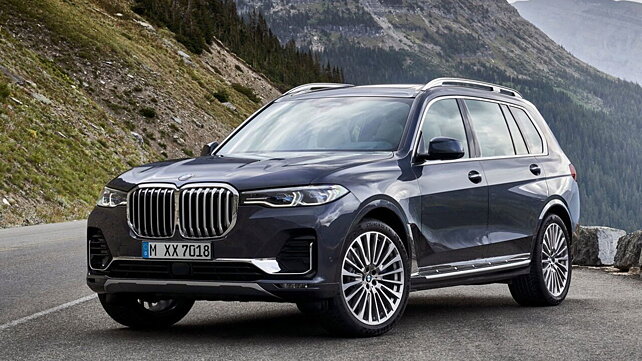
BMW X7 now in India

German auto maker BMW has launched its flagship SUV the X7 in the Indian market today. The new model is the 6th SUV offering by BMW in India.

The X7 comes in 2 trims the X Drive 40i and the X Drive 30d DPE Signature.
Both the trims are priced at 98.90 Lakh Ex Showroom Pan India.

BMW X7 launched: Explained in-detail

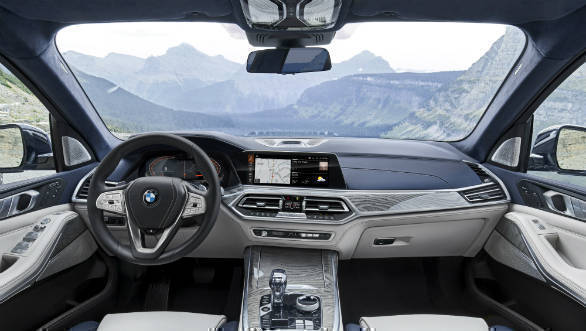
The X7 comes with sleek headlamps and the new big BMW kidney grill. The interiors looks somewhat similar to the existing X5 but comes with 3 rows of seating.

Image result for bmw x7 interior


Main features on offer are
*Laser headlamps
*Autonomous Park Assist
*5 zone climate control
*Reclining function on all 3 rows

Image result for bmw x7 interior

Solar Powered Hyundai Sonata Hybrid !

As everyone in the world is moving towards cleaner and alternate fuel, solar energy is what people have always been fascinated about for propelling a car.

Related image

Luxury brands like Audi have earlier introduced optional solar sunroof in their flagship sedan the A8 but it was only put to use for cooling the cabin by running the blower on solar energy.


Hyundai Motor Company has taken a step ahead and introduced a solar panel roof on its state of the art 2020 Sonata hybrid. The solar panel, if charged for 6 hours daily can shoot up the driving range of the vehicle by an extra 800 miles/1300 kilometers annually.

Apart from this the car also uses an Active Shift Control gearbox coupled with their latest Smartstream 2.0 Liter Gasoline Direct Injection engine which gives a combined output of 190 BHP along with enhancing the overall fuel efficiency of the car.

The car also has latest features like
*Near Field Communication Key
*12.3 inch Digital Instrument Cluster
*Color heads up display
*Shift by wire technology
*Smart high beam.

  Image result for sonata hybrid 2020

Monday, 27 May 2019

HISTORY AND TREND OF BADGE ENGINEERING

Badge Engineering is basically a practice of applying a  different manufacturers logo or brand name to any existing product and try to market it as a different product.
Economies of scale are the reason of this technology development as it helps a lot to reduce the research and development costs.

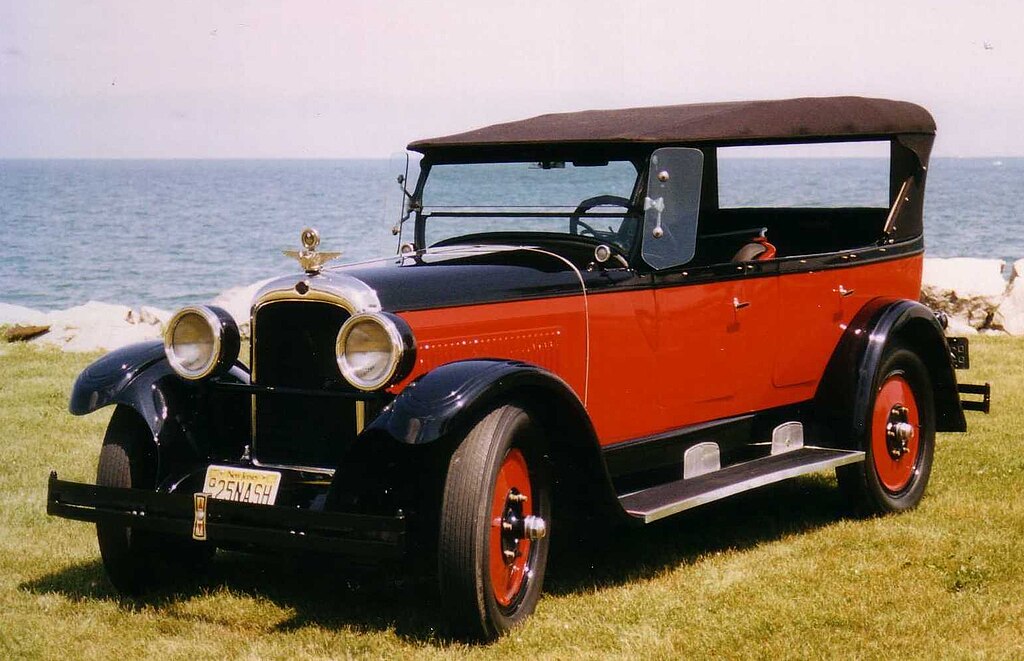
The first industrial mass example of badge engineering was in the year 1926 when Nash motors introduced small size cars names Ajax which were discontinued in the same year. As the Nash brand was prestigious and known to the public hence the management took a decision to rename the Ajax brand cars as Nash Light Six. Ajax to Nash conversion kits were also distributed to existing owners so they dont feel cheated and there is no drop in the resale value.

Nash light Six
Talking about India, The initial badge engineered cars were the Hindustan Ambassador which was derived from the Morris Oxford 3, Premier Padmini which was derived from the Fiat 1100.

Image result for morris oxford 3
Morris Oxford 3


Image result for ambassador
Hindustan Ambassador


Later on cars like the

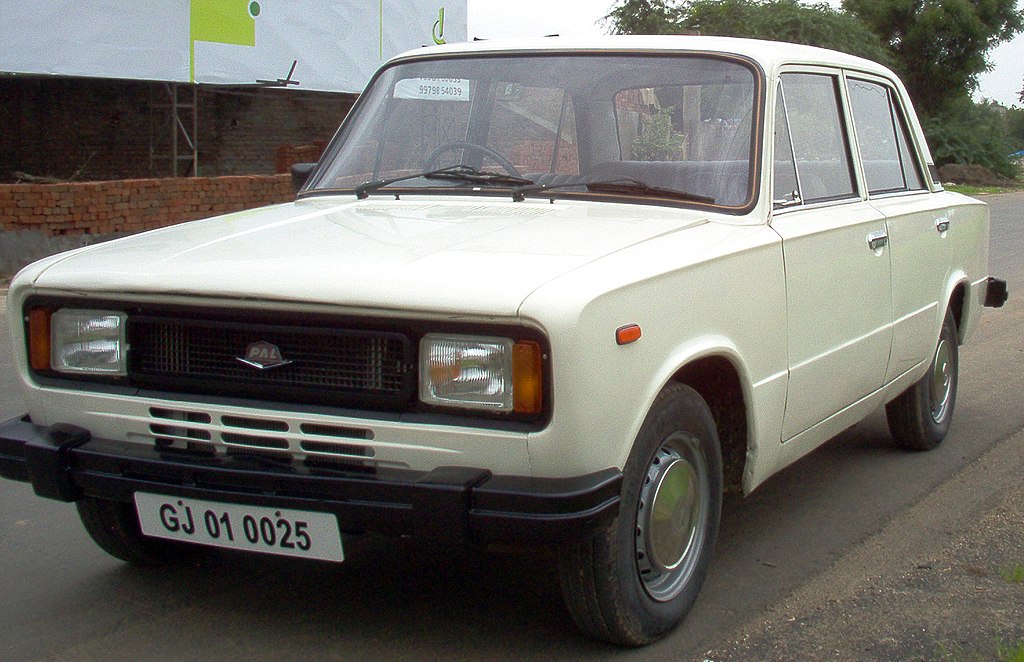
1. Fiat 124 was a platform for Lada Riva and Premier 118 NE

Premier 118 NE


Fiat 124


2. Skoda Rapid and Volkswagen Vento,
3. Nissan Sunny and Renault Scala,
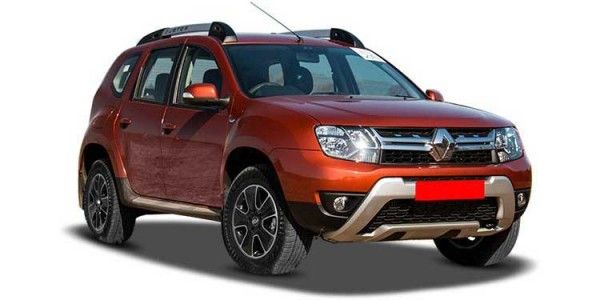
4. Renault Duster and Nissan Terrano,


Image result for renault duster
Renault Duster
Image result for nissan terrano
Nissan 

These car had similar platforms and interiors to some extent but the exteriors were mostly different and it was difficult for the general public to understand that they were the same cars.
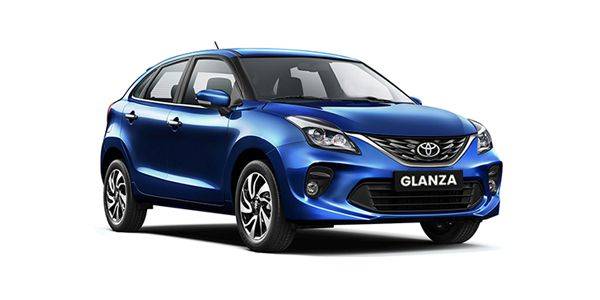
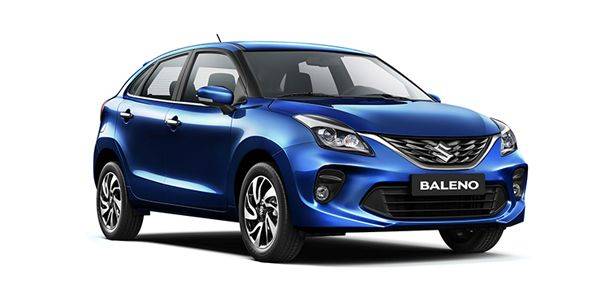
But now the trend is changing and Maruti Suzuki India Limited as Tied up with Toyota Kirloskar motors and launching Maruti Suzuki Baleno as a badge engineered Toyota Glanza.
This new model is actually just a badge replacement. Every body panel of the car is same including the interior and exterior and only the Suzuki badges have been replaced by the Toyota Badges. It will be exciting to see how the consumers respond to such cars.


Image result for glanza
Toyota Glanza
Image result for baleno
Maruti Suzuki Baleno


Wednesday, 15 May 2019

HYDROGEN THE FUTURE OF MOBILITY


Hydrogen the element having the atomic number 1 is the also the number 1 substance which can be used for the mobility purposes by being used as a fuel for vehicles. It is the most abundantly available chemical in the universe. Most of the hydrogen on Earth exists in molecular forms such as water or organic compounds


Coming to Mobility, many of us know that hydrogen has been used as a rocket fuel since many years. A very few people know that before being used in rockets, Swiss inventor Francois Isaac de Rivaz in 1807 designed the first 4-wheel prototype that ran on hydrogen and oxygen gas. This was a vehicle which consisted of an internal combustion engine which used oxygen and hydrogen gas in the engine compared to todays engines which use Petrol or Diesel along with oxygen.

First Hydrogen Vehicle

In 1860, Frenchman Etienne Lenoir developed the 3-wheel Hippomobile. In this vehicle the novelty was that the hydrogen was created for the car by electrolysis of water and the resulting gas was run through the combustion engine. In 1966 General Motors created the first hydrogen fuel cell car. Though fuel cells have been around since the early 1800’s, General Motors was the first to use a fuel cell to power a vehicle.

General Motors Electrovan

Technology has come a long way and now and the fuel cell technology is becoming popular and more advanced with time. The first FCV used one hydrogen cylinder and one oxygen cylinder whereas todays FCV technology uses the oxygen from the air in the atmosphere making the system more efficient and light.

After fossil fuels the current trend is to switch to electric vehicles and Hybrids, But the problem currently in country like India is that most of our power is generated from coal powered electricity generation plants which leads to a lot of pollution and does not solve the problem of improving the air quality. Secondly the battery charging process is very slow and there are no charging stations available in the country and the range is also very less.

EV powered by Coal Power

The beauty of hydrogen fuel cells is that you get electricity, heat and (potable) water as outputs with hydrogen and oxygen as inputs. Hydrogen Fuel Cell vehicles generate electricity using compressed hydrogen from the tank and oxygen from the air and that electricity helps to power the motor mounted on the vehicle. They are also called as Zero Emission vehicles.


These vehicles have a complex design as have a lot of components and are also expensive, but in a long run are better as Hydrogen used in fuel cells has an energy to weight ratio ten times greater than lithium-ion batteries. To conclude, hydrogen fuel cells offer a potentially very clean, energy dense and easy and fast recharge energy source for vehicles and other systems, but are currently complicated, expensive and somewhat dangerous to operate, but I think with the advancements and development it will be the future of mobility.


Leading car manufacturer Hyundai Motor has launched its new generation Nexo Fuel Cell vehicle. The Nexo fuel cell SUV delivers the world’s best fuel cell efficiency and a driving range of 666 km. Its dedicated vehicle architecture delivers improved power-to-weight ratio, faster acceleration and cabin space. Aside from water, the Nexo has zero tailpipe emissions. And what’s more, it also filters and purifies the air as it drives.


Tuesday, 6 December 2016

REVIEW: A Jekyll and Hyde Personality: The Skoda Octavia 1.8 TSi DSG


What does 178 brake horsepower from an engine the size smaller than amount your car takes in engine oil? What does a 0-100 time of sub 8 seconds sound like? What does feature called sport mode sound? All this can be achieved by taking your family of 4 and their luggage in the boot. Confused? So was I. Then I was told the price. With prices ranging from 15 lacs to 25 lacs, a car can achieve so much? I was in utter confusion as to what was going on…

Until I was introduced to the brand new Skoda Octavia 1.8 TSi. Boy oh boy! My prayers have been answered!


            See, I am an avid lover of fast sedans. The fact that you can take your family, their luggage and still set a hilariously fast time on the nearest racetrack is simply astonishing. And this car ticks all the right boxes for me. And the best part, you do not have to break your bank to afford one of these. On point!


            Off late, due to lots of work pressure and deadlines, I just could not have any moment to relax. Constant stress and headaches that almost became a regular visitor to my mind were wearing me out. All my well-wishers were constantly telling me how tired I looked and that I should get some rest. But what do they know right?  I was getting the Born to race – forced to work type of feeling. I needed some remorse. I took the Octavia for a spin.


            On a cool Sunday morning, I decided to spend some alone time in the company of Rahat Fateh Ali Khan on the stereo, which was paired to my phone via Bluetooth. The early morning serenity makes you realize how pretty the surroundings are. Especially some parts of Delhi, with all the greenery, and the sunroof open, it makes do for an amazing drive.

            With some soothing tunes in the background and the smooth flow of traffic, I ponder as to what I really want to do in life.  Is this really what I wanted to do? Was I made to just study then work just to pay off the bills in life? This is a vicious cycle, which is really easy to fall prey to. Was this meant for me? Just then, I spotted an empty stretch of road and I floored the Octavia. I just realized something. The Octavia was meant for me. Skoda engineers took a picture of me and said, let’s build this man a car. And thus the Octavia was built.


            Soon enough, a mad biker cut me hence forcing me to step on the anvil. The brakes really do a sublime job of shedding speed. The front 288 mm discs are put in to full use in Delhi traffic with the biker and auto rickshaw attack. And all is settled around and back to the serene peace I was enjoying a moment before, back into introspection mode. Back to the same question, is this life?

            With this question, I am interrupted by a view that would plaster a smile on any petrol head. Up ahead was a series of fast corners designed to test the G forces (okay just kidding, just some curly bends) that lay ahead. I quickly check if the traction control is on and gleefully it is. I put the gearbox in Sport mode. And there I am. I flick the super fast steering to my right and the car changes direction with aplomb. Then flicked it left and same story. No fusses. The car took everything. The large seats made sure I was not thrown around mid corner with all the moving around. The Sport mode made sure the 7 speed DSG gearbox did not upshift and stayed in the gear right up to the redline. This meant I always had full torque every time I power out of the curves. Delighted? Certainly am. Impressed? For sure. Is this what I really want to do? You bet.


            And as I was turning up to my driveway, I learnt a couple things about myself. I had fallen to this vicious cycle of life. The stress. The deadlines. The worries. They were all eating a part of me like a blood-infested vampire. I was losing out on the definition of fun. This was never me.

            But then I realized something. Amidst all the stress, the Octavia gave me the smiles and the joy I had not experienced in my life since a very long time. It brought about certain happiness when I took it for a drive. It allowed me to think about what I really want and myself. And yes, I finally could actually think what I really wanted to do in life. I had taken a “ Simply Clever” decision, as Skoda would say. I just wanted to drive the Octavia TSi in my life. Oh and in the Race Blue shade please. With a cherry on top.


            Pictures: ©Archit Kishore

Thursday, 4 August 2016

Return of the Octavia VRS Generation 3


Skoda is focusing on the Indian market more than ever before to regain its position in the market.
The company has already announced the launch of its 7 seat offroader Kodiak in India next year.
Now they are planning to get the Third Generation of the Octavia VRS version in India.
The VRS was launched in the year 2004 and was the first Turbo Petrol car in the country. The Immense driving pleasure , handling and acceleration made it a king in the performance car segment as was also was the fastest in the segment.


The new model internationally is offered with 2 engine options. The 2.0 TSI petrol engine producing a whooping 220BHP of power and 350Nm of Torque and a 2.0 Liter TDI diesel engine producing 184 BHP and 380 Nm of torque.
The petrol sprints from 0-100 in mere 6.8 seconds , whereas the diesel takes 8.1 seconds.
The car will also get sportier aesthetic upgrades like , Bigger alloy wheels, Sport seats, Sunroof, Boot spoiler, aggressive bumpers , twin exhausts etc.


Internationally the car is available in both Manual and Automatic Gearbox options. In the Indian market we feel the company will bring the automatic transmission although it will be a let down for some enthusiasts who prefer the manual box.


Wednesday, 3 August 2016

Skoda Octavia vRS to be launched in India in early 2017

The Octavia vRS made its debut at the 2013 Goodwood Festival of Speed, but given the fall in demand of D-segment sedans in India and a high price tag which could clash with the price of its elder sibling, the Superb, Skoda India delayed the launch of the legendary car in India. But given the rise in demand of petrol cars, the performance version of the Octavia could be launched in early 2017.
Internationally, the Octavia vRS is offered with a 2.0-litre TSI petrol engine that makes 220 BHP @ 4,500-6,200 rpm and 350 Nm of torque 1,500-4,400 rpm. The car does the 0-100 km/h run in 6.8 seconds and hits a top speed of 248 km/h. Transmission options include a 6-speed manual or a 6-speed DSG automatic gearbox that transmit power to the front wheels.

The bad news is that, in India the car might get the 1.8 TSI motor with 7-speed DSG which is the same as the regular Octavia. The would get stiffer suspension, lower ride height, vRS alloys, vRS bumpers, vRS seats and all-black interior.

Friday, 22 July 2016

Haryana Govt Bans old petrol & diesel cars


After the ban on old diesel cars in the Capital, Haryana govt has also banned 15 year old petrol and 10 year old diesel vehicles in the cities which are a part of National Capital Region (NCR). At present this rule is applicable for cities of Gurgaon, Faridabad, Sonepat and Jhajjar . These cities constitute of almost 20 Lakh registered vehicles.

Tuesday, 19 July 2016

Toyota halts fresh investment in India

2017 Fortuner

After the 10 year diesel ban and the diesel engine capacity ban, companies like Toyota said that they are halting the fresh investments in India , while taking a review , and will possibly hold some of the models that it had planned to introduce in the Indian market.

Shekhar Vishwanathan, Vice chairman and Director at the companies India subsidiary Toyota Kirloskar Motors said, " We will bring in some products planned, but fresh proposals will be on ice for a while, we will rework product plans, atleast till 2020. Some of the products that we had planned to introduce will be rethought."

Toyota recently set up a diesel engine plant with a capacity of 1 lakh unit per year after an investment of 1200 crore rupees. This plant is only able to utilise only 30% of its capacity and causing a loss to the company. " I don't know what to do with this excess capacity. We cannot live with the betrayal of faith. When I go to the Toyota headquarters in Japan for the next project , It is very hard to explain " Vishwanathan said.

Monday, 18 July 2016

NGT Orders to De-register over 10 year old Diesel Vehicles


The National Green Tribunal (NGT) on Monday 18 July 2016 has directed Regional Transport Office (RTO) Delhi to De-Register all Diesel vehicles which are more than 10 year old.
"We hearby direct RTO, Delhi to de-register all diesel vehicles which are more than 10 years old, from plying of the roads of the national capilal" , a bench headed by NGT Chairperson Justice Swatanter Kumar said.
NGT said that RTO should inform the police about such vehicles for further course of action.
The tribunal passed this order after noting submissions of Delhi Police which said that it has made continuous attempts to stop more than 10 year old vehicles from plying on the roads of the National Capital. But have hardly met any success.

Friday, 15 July 2016

Indian Railways launch Auto Express Freight Train


Indian Railways on tuesday launched the Auto Express, A train which will carry automobiles from Gurgaon to Nidvanda near Bangalore.This will help to reduce the transport time as well as cost.
According to Mr. Suresh Prabhu (Railway Minister) , this train will increase the confidence of the Auto Industries on Indian Railways which will also help to boost the revenues of the railways.
The Coaches of the new train have been specially designed to run at higher speeds of approx 100 kilometers per hour and will help to reduce transport time.
At present 2000 cars move per month between Gurgaon and Nidvanda, with the launch of the train , the no is expected to go upto 6000 cars a month.

Takata Airbag Recall : Things you need to know


This issue basically involves defective inflators and propellant devices which may deploy improperly in case of a crash, shooting metal fragments on the occupants and leading to fatal injuries.
As of today we know that 34 million vehicles are affected in the United States of America and 7 million other vehicles in various parts of the globe have been recalled.

In India majorly Honda cars have been affected and the total no of them is 1,90,578 cars.


Honda Cars India Limited have recalled all the affected cars and will do the airbag replacement free of cost at the dealerships.

LIST OF ALL AFFECTED VEHICLES ( Taken from a US Website )
Acura: 2002–2003, 2009–2014 TL; 2003 CL; 2003–2006 MDX; 2005–2012 RL; 2007–2016 RDX; 2009–2011 TSX; 2010–2013 ZDX; 2013–2016 ILX
Audi (approximately 387,000): 2004–2008 A4; 2005–2011 A6; 2006–2013 A3; 2006–2009 A4 cabriolet; 2009–2012 Q5; 2010–2011 A5 cabriolet; 2015 Q5
BMW (1,968,283): 2000–2011 3-series sedan; 2000–2012 3-series wagon; 2002–2013 3-series coupe and convertible; 2001–2013 M3 coupe and convertible; 2002–2003 5-series and M5; 2003–2004, 2007–2013 X5; 2007–2010 X3; 2008–2013 1-series coupe and convertible; 2008–2011 M3 sedan; 2008–2014 X6; 2013–2015 X1
Buick: 2015 LaCrosse
Cadillac: 2007–2011 Escalade, Escalade EXT, and Escalade ESV; 2015 XTS
Chevrolet (approximately 1.91 million, including Buick, Cadillac, GMC, Saab, and Saturn): 2007–2011 Silverado 1500, Avalanche, Tahoe, and Suburban; 2007–2011 Silverado HD; 2015 Camaro, Equinox, and Malibu
Chrysler: 2005–2012 300; 2006–2007 Crossfire; 2007–2009 Aspen
Daimler: 2006–2009 Dodge Sprinter 2500 and 3500; 2007–2014 Freightliner Sprinter 2500 and 3500
Dodge/Ram (more than 5.64 million, including Chrysler, not including Daimler-built Sprinter): 2003–2008 Ram 1500; 2003–2010 Ram 3500; 2005–2012 Charger; 2005–2010 Magnum; 2005–2011 Dakota; 2004–2009 Durango; 2003–2009 Ram 2500; 2008–2012 Challenger; 2008–2010 Ram 4500 and Ram 5500; 2008–2009 Sterling Bullet 4500 and 5500
Ferrari (2820): 2009–2011 California; 2010–2011 458 Italia
Ford (2,799,546, including Lincoln and Mercury): 2004–2011 Ranger; 2005–2006 GT; 2005–2014 Mustang; 2006–2011 Fusion; 2007–2010 Edge
GMC: 2007–2011 Sierra HD; 2015 Terrain
Honda (approximately 10.7 million, including Acura): 2001–2007 Accord (four-cylinder), 2001–2002 Accord (V-6), 2008–2011 Accord; 2001–2011 Civic; 2002–2011, 2016 CR-V; 2002–2004 Odyssey; 2003–2005 Civic Hybrid; 2003–2011 Element; 2003–2011 Pilot; 2006–2010 Gold Wing motorcycle; 2006–2014 Ridgeline; 2007–2014 Fit; 2010–2011 Accord Crosstour; 2010–2014 FCX Clarity; 2010–2014 Insight; 2011–2015 CR-Z
Infiniti: 2001–2004 I30/I35; 2002–2003 QX4; 2003–2008 FX35/FX45; 2006–2010 M35/M45
Jaguar (20,016): 2009–2011 XF
Jeep: 2007–2012 Wrangler
Land Rover (34,334): 2007–2011 Range Rover
Lexus: 2002–2010 SC430; 2006–2011 IS; 2007–2011 ES; 2010–2011 GX
Lincoln: 2006–2011 Lincoln Zephyr and MKZ; 2007–2010 Lincoln MKX
Mazda (more than 730,000): 2003–2011 Mazda 6; 2006–2007 Mazdaspeed 6; 2004–2011 RX-8; 2004–2006 MPV; 2004–2006 B-series; 2007–2011 CX-7 and CX-9
Mercedes-Benz (1,044,602, including Daimler): 2005–2014 C-class (excluding C55 AMG but including 2009–2011 C63 AMG); 2007–2008 SLK-class; 2007–2014 Sprinter; 2009–2012 GL-class; 2009–2011 M-class, 2009–2012 R-class; 2010–2017 E-class sedan, wagon, coupe, and convertible; 2010–2015 GLK-class; 2011–2015 SLS AMG coupe and roadster
Mercury: 2006–2011 Milan
Mitsubishi (more than 105,000): 2004–2007 Lancer and Lancer Evolution; 2006–2009 Raider
Nissan (more than 1,091,000, including Infiniti): 2001–2003 Maxima; 2002–2004 Pathfinder; 2002–2006 Sentra; 2007–2011 Versa
Pontiac (approximately 300,000): 2003–2007 Vibe
Saab: 2003–2011 9-3; 2005–2006 9-2X; 2010–2011 9-5
Saturn: 2008–2009 Astra
Scion: 2008–2011 xB
Subaru (more than 380,000): 2003–2005, 2009–2011 Legacy and Outback; 2004–2011 Impreza; 2005–2006 Baja; 2006–2011 Tribeca; 2009–2011 Forester
Toyota (approximately 4,697,000, including Lexus and Scion): 2002–2007 Sequoia; 2003–2011 Corolla and Corolla Matrix; 2003–2006 Tundra; 2004–2005 RAV4; 2006–2011 Yaris; 2010–2011 4Runner; 2011 Sienna
Volkswagen (680,000): 2006–2010, 2012–2014 Passat; 2009–2014 CC; 2010–2014 Jetta SportWagen and Golf; 2012–2014 Eos; 2015 Tiguan
Wednesday, 13 July 2016

New Elantra Spotted in Gurgaon


A new generation Elantra with a camouflage and electric blue paintjob was spotted by our team in sector 29 Gurgaon today.
Here are a few shots


INTERIORS


Tuesday, 12 July 2016

Ford Mustang GT launched in India at 65 Lakh


Ford launched the Mustang GT Muscle car in India at the price of 65 Lakh (Ex Showroom Delhi).
Initially the car will be sold in Delhi and Mumbai. Till the last generation , the Mustang was only available in the Left Hand drive configuration and this is the first generation car to be developed for Right hand markets also.


The Mustang GT Features a 5.0 Liter petrol engine with V8 configuration and generates 401 Bhp with 515 Nm of torque. This engine comes mated to the six speed automatic gearbox. The car can reach a top speed of 250 Km per hour and surprisingly it doesn't need 97 octane or any high grade fuel, it can work on regular 91 octane.
The exteriors get a lot of retro styling which reminds of the older Mustangs and gives an imposing look.


The interior on the other hand gets a fighter jet and aviation inspired stuff , like the toggle switches.
Drivers can choose from Normal, Sport+, Track and Wet modes. The car is also equipped with a Limited Slip Differential to help in maintaining traction and in cornering.
Another amazing feature is the electronic line lock. This helps to lock the front brakes and lets the rear tyres to spin freely , this helps to gain traction in a drag race by making the tyres sticky and also a good and easy way to showoff burnouts.

Electronic Line Lock Video


Monday, 11 July 2016

FIAT's 117 Birthday and Documentary


Giovanni Agnelli founded the Fabrica Italiana Automobili Torino (FIAT) societa per azioni (S.p.a) on this date in the year 1899 in Turin, Italy. The name was changed to Fiat later in the year 1906.
The first car launched by the company was the 3.5 CV of which only 24 cars were ever built , it used a 697 cc Boxer twin cylinder engine.

Lingotto Factory


The construction of the Lingotto factory started in 1916 by Fiat and the building was completed by the year 1923. The factory was built in a unique manner, it had 5 floors with the raw materials at the ground floor and as the car kept building it moved on the higher floor. The final car emerged at the roof top which had the most unique thing , a rooftop test track. At that time , it was the largest car factory in the world with the best of the equipments.

 
Fiat History Documentary by The History Car


First Fiats to be seen in India were the Fiat 1100 which were imported from Italy , later in the year 1964, Premier Automobiles limited got licence to make 1100 in India and the production began and the car was named as Premier Padmini.
The Padmini was an instant hit and the Indian roads was filled with Padminis. It was produced till the year 2003.

In the year 1997 , Fiat came to India without collaboration with PAL and launched the UNO.
Uno was a boxy and solid car which came with a 1.0L FIRE engine and a 1.7L NA Diesel engine. Initially the car sold in good numbers but later the sale dropped and it was phased out in the year 2001.

In the year 2000, The Fiat Siena was launched. A mid size family sedan with one of the most powerful and enthusiastic 1.6 Petrol engine. It also had a 1.2 Petrol and 1.7 Turbo Diesel engines.
This car was not liked much by the people and could not sell much .

In the year 2001 , The game changing Palio was launched in India. This was a revolution in the higher end Hatchback segment at that time. The car came loaded with safety and convenience features. The car remained the fastest hatchback in India till the year 2010 when the production stopped. It came with 1.2 , 1.6 Petrol engines and a 1.9 NA Diesel engine. This car received a mid life update as the Palio stile, but this model didn't sell much.
The Petra , Adventure and the weekend were also launched on the same platform with similar engine options.

In 2008 Fiat launched the new Punto and Linea in India. These cars helped a lot to revive the brand. These were launched with the 1.4 Petrol in natural aspirated and Turbo variants and a 1.3 Multijet diesel engine. The 1.3 multijet came as a boon to the Indian auto industry and most of the small car manufactures are using this engine even presently.